• Pre-Hospital Emergency Care (Emergency Medical Services)
Introduction
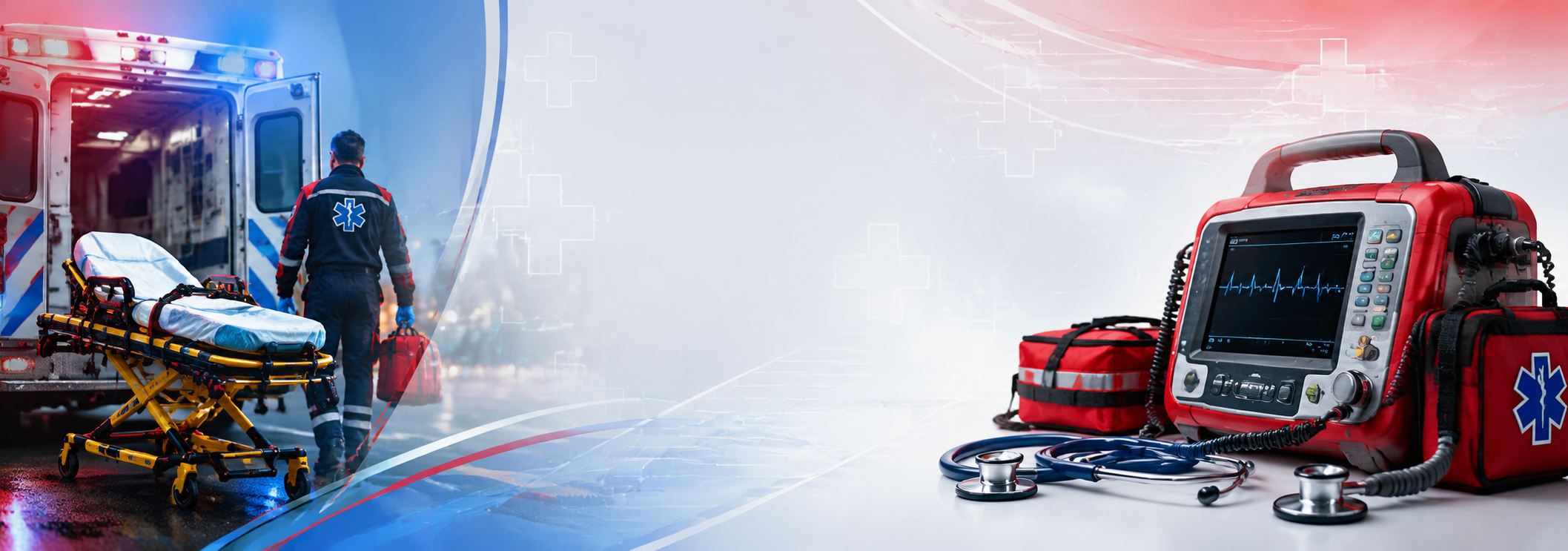
Pre-Hospital Emergency Care is a specialized field within the healthcare system focused on providing immediate medical assistance to patients in emergency situations before they reach a hospital. Professionals in this field respond to accidents, medical emergencies, disasters, and critical health conditions, delivering life-saving interventions and stabilizing patients during transport to healthcare facilities. The discipline integrates medical knowledge, rapid decision-making, and advanced emergency response skills.
Who is this field suitable for?
This field is suitable for individuals who are interested in emergency medicine and are capable of working in high-pressure and unpredictable environments. Students who possess strong physical and mental resilience, quick decision-making abilities, teamwork skills, and a commitment to helping others in critical situations are well suited for this profession.
Importance of the Field
Pre-Hospital Emergency Care plays a vital role in reducing mortality and disability associated with trauma, accidents, and acute medical conditions. Early intervention and rapid response significantly improve patient survival rates and outcomes. Emergency medical professionals serve as the first link in the chain of survival and are essential to effective disaster management and emergency healthcare systems.
Career Opportunities
Graduate Studies
Key Courses in the Program
Graduates can work as Emergency Medical Technicians (EMTs) or Paramedics in emergency medical services, ambulance centers, disaster response teams, hospitals, air ambulance services, and emergency operations centers. They may also participate in rescue operations, public safety organizations, and emergency preparedness programs.
Graduates may continue their education in fields such as Emergency Medicine, Disaster Management, Health Services Management, Critical Care, or related public health programs. Advanced studies enable professionals to pursue leadership, research, and specialized clinical roles.
Important courses in this program typically include Human Anatomy and Physiology, Basic and Advanced Life Support, Trauma Management, Emergency Pharmacology, Disaster Management, Patient Transportation, Clinical Emergency Care, and Ambulance Operations. Extensive practical and field training is a core component of the curriculum.
Contact Us
Brochures
View our 2020 Medical prospectus of brochure for an easy to read guide on all of the services offer.